
eNGINEERING HUMAN RESILIENCE IN EXTREME ENVIRONMENTS

graeme
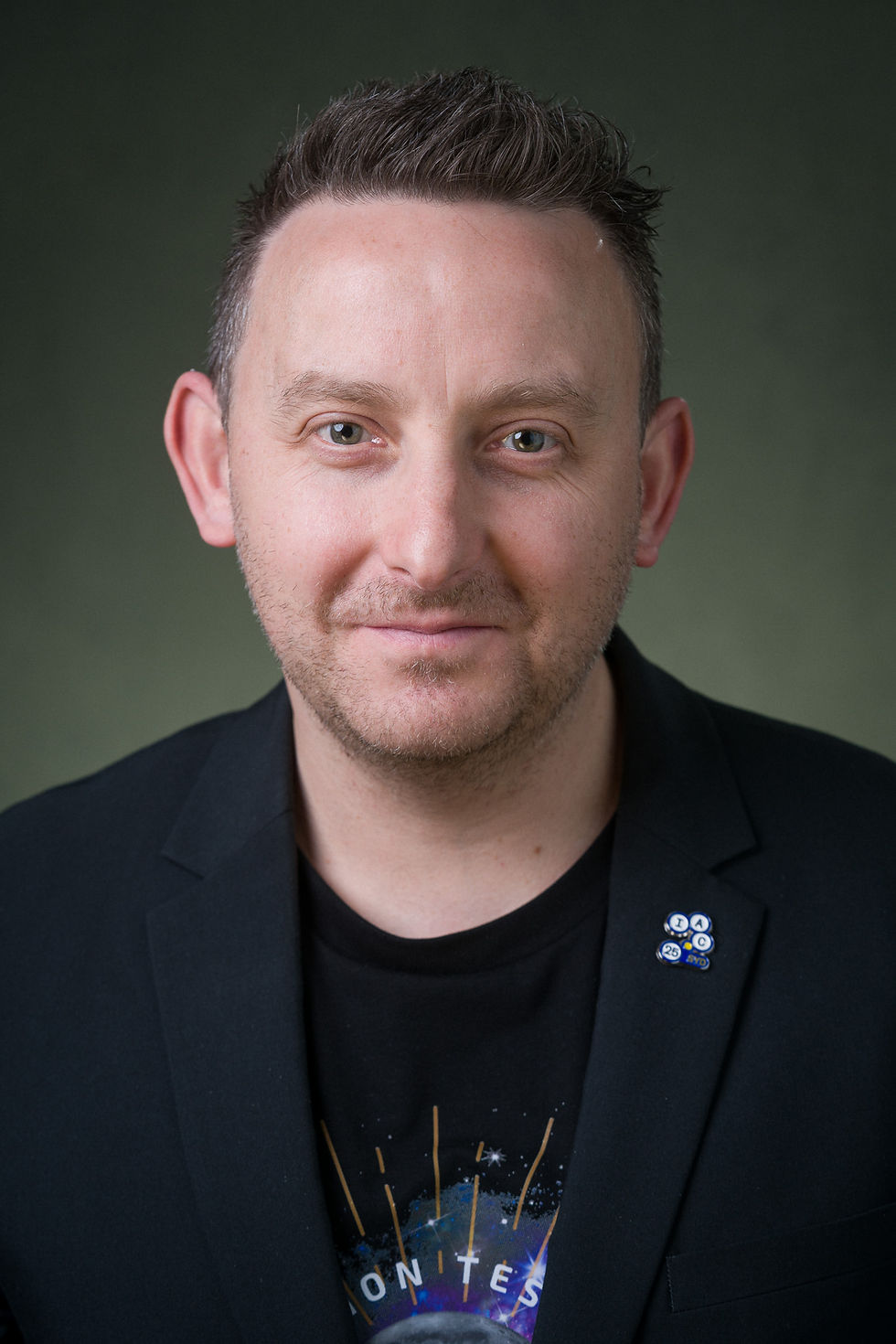
Graeme Kuchmar
Marketing and Communications Manager
Graeme focuses on translating Astraea’s technical capability into clear understanding, alignment, and adoption across industry, government, and research partners.
He holds a degree in Media and Communications and is currently studying mechatronics engineering, actively building technical depth to complement his role at the intersection of engineering and external engagement.
He has contributed to NASA-aligned mission concepts through the Milo Mission Academy, gaining exposure to systems engineering principles including requirements, subsystems, and mission architecture.
Graeme brings professional experience across marketing, digital communications, and stakeholder engagement, with a background in customer-facing and operational environments.
Importantly, he played a central role in shaping and bringing the Astraea brand to life, developing the narrative, positioning, and external identity that defines how the organisation is understood today.
At Astraea, he ensures complex technical work is clearly communicated, strategically positioned, and able to move into real-world partnerships and adoption pathways.
Q&A with graeme
I found myself unemployed and at a crossroads, asking what was next. That pause turned into an unexpected opportunity when I joined a STEM development program called the Milo Mission Academy, built around real NASA-inspired concepts.
I immersed myself in a lunar rover design project alongside like-minded “space nuts,” and for the first time I began thinking and contributing like an engineer. I was involved in developing material for a Preliminary Design Review, and something shifted, I realised I actually had potential in this space.
That experience pushed me to enrol in engineering at university, while also exploring how I could contribute to the emerging Australian space industry through my strengths in marketing and communication.
A few months later, the project manager from Milo (Brooke) reached out and asked if I would join a new startup (Astraea) as their marketing lead. That moment made it real.
Fast forward 12 months, and we were exhibiting at the International Astronautical Congress 2025. We introduced Astraea to the global space community for the first time, showcasing a website I built, wearing branded apparel I designed, and engaging directly with leading space agencies, astronauts, and private space companies. Seeing our story land in that environment confirmed we weren’t just building an idea, we were building a presence.
I’ve spent much of my career searching for work that felt meaningful. Radio, fitness, and marketing all taught me valuable skills, but none of them fully aligned, until I lost my job in hotel marketing and was forced to reset.
That moment gave me something I hadn’t had in years: time. Time to reflect on what I actually wanted to build, and time to deliberately plan a path toward it.
The Milo Mission Academy became the turning point. Being surrounded by people with shared ambition and curiosity changed everything. I learned quickly that you get out what you put in, and I chose to fully commit.
That commitment led me to Astraea. Gordi’s HIRO LAB concept immediately captured my attention, and I saw a clear opportunity to translate complex science into something the world could actually understand and engage with. I knew I could help bring that vision to life through storytelling, design, and digital presence.
Brooke and Gordi welcomed me into the team and trusted me early. That trust changed everything. Instead of constant critique, I experienced alignment, ideas were built on, not broken down. For the first time, my thinking felt like it fit.
Astraea became a place where I felt more like myself than I ever had before. We back each other, we believe in each other, and that belief compounds.
What started as a “space case” idea is now something real, we are building technology that we intend to send into space. And that trajectory has only accelerated as Astraea has expanded into extreme environment validation across Earth and beyond.
The space use case is what excites me most. There is still something deeply unknown about radiation and its effects on even the most basic systems, materials, pharmaceuticals, and critical technologies. Being part of a platform that can simulate and validate those conditions before deployment into space is incredibly powerful.
I’m particularly interested in helping test HIRO LAB’s capabilities on Earth first, through progressively more extreme environments, before it ever leaves the planet. That process of staged validation is critical, it ensures the technology is not only space-ready, but adaptable across multiple extreme conditions.
That versatility is what makes it so valuable. If we can understand how materials and systems degrade across different stressors, we can unlock insights that apply far beyond space alone. There’s a well-known idea that space-driven innovation feeds back into Earth applications, and I see Astraea operating right at that intersection.
What I love most about HIRO-LAB is how it captures degradation as it actually happens—using a custom spectrometer embedded in extreme conditions.
But the real power will be in Astraea DRIFT. It will turn that raw data into something people can actually use to make decisions. As more technologies are pushed into harsh, unpredictable environments, understanding how they’ll degrade isn’t just helpful anymore—it’s critical.
In 10 years, I see Astraea producing cinematic, end-to-end mission documentation, capturing projects from concept through to execution. Not just data outputs, but compelling visual evidence of successful validation campaigns that inspire confidence and investment in what we do.
Success, to me, will be defined by scale and trust, how much backing we’ve earned, how many partners believe in the platform, and how effectively we’ve turned investment into real-world outcomes.
Right now, the foundations are in place. The next phase is execution, securing the support required to build and deploy the technology at scale.
Personally, I see myself continuing to grow into the technical side of the business through my studies in mechatronics engineering. In 10 years, I expect I’ll be in a position to contribute not just to communication and strategy, but also to the development and manufacturing of Astraea’s hardware systems.
Ultimately, success will be seeing something we once talked about as an idea, actually operating in space, validating technologies that matter.

Sydney, Australia
© 2025 Astraea Technologies Pty Ltd
ABN 7568 280 9070